
Why Is Nicotine So Addictive? What It Does to Your Brain
Nicotine is one of the most addictive substances people use. That's not a scare line; it's why so many people who want to quit find it hard. Understanding how nicotine works makes quitting less mysterious and helps you stop blaming yourself.
Nicotine works fast
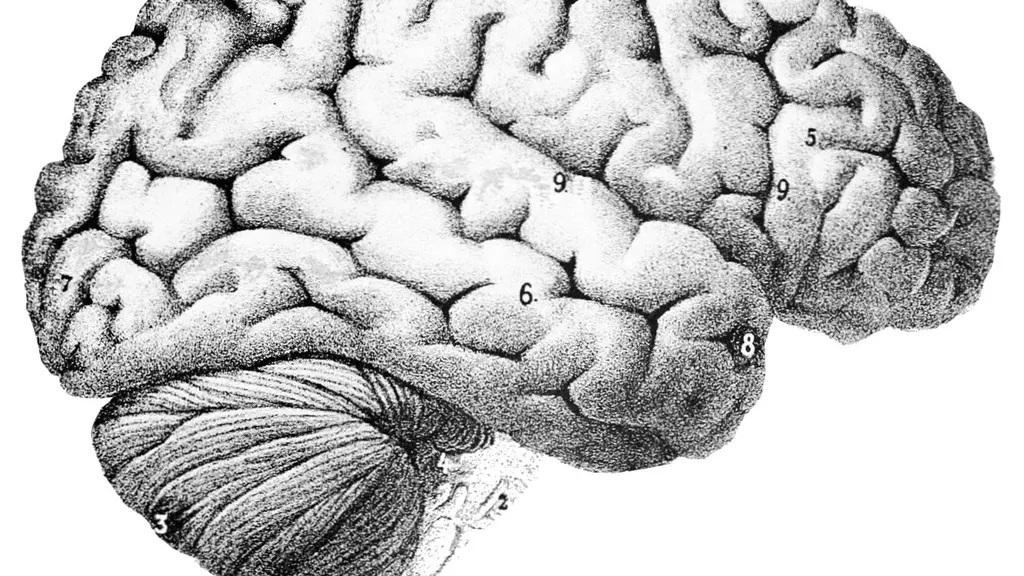
When you inhale nicotine, it reaches your brain within seconds. There it attaches to receptors that normally respond to a natural chemical messenger. That triggers a release of dopamine, a chemical linked to reward and motivation. The result is a quick lift: a bit of calm, a bit of focus, a little pleasure.
Because it's so fast, your brain links the action (the puff) with the reward very strongly. Fast reward is a big part of what makes any habit sticky.
Your brain adapts
With regular use, your brain adjusts to having nicotine around. It can grow more nicotine receptors and come to expect the regular dose. When nicotine levels drop, you feel it: restlessness, irritability, a craving. Taking another puff relieves that feeling, which feels like the vape is calming you down, when much of what it's doing is easing the withdrawal it caused.
Why vapes make it easier to get hooked
- Nicotine salts let vapes deliver high doses smoothly, without the throat hit that would make you stop.
- Constant access: no lighter, no smell, no end to the vape. Many people puff dozens or hundreds of times a day.
- Flavours make every puff pleasant.
- Young brains are more sensitive to nicotine, which is one reason health bodies worry about teen vaping.
Habit is the other half
Every puff happens somewhere: in the car, with coffee, on a break, while gaming. Your brain links those moments with nicotine, so later the moment itself can trigger a craving, even weeks after the chemical withdrawal is over. That's why quitting is about more than willpower: it's about building new responses to old cues. See vaping triggers.
What this means for quitting
- Withdrawal is temporary. Your brain rebalances within weeks. See the nicotine withdrawal timeline.
- Cravings are cues, not commands. Each one you ride out weakens the link. See urge surfing.
- "Just one puff" restarts the loop, which is why it's usually a bad idea.
- You're not weak. You're up against a fast, well-designed reward. Plans and support beat willpower.
Unvapd, the app we built to help people quit vaping, is designed around this: something to do in the minutes a craving lasts, and a visible record of every vape-free day, so the new habit has its own reward.
Sources and further help
- Smokefree Teen: Quit vaping
- WHO: Tobacco and e-cigarettes, questions and answers
- Smokefree.gov: Managing nicotine withdrawal
This article is general information, not medical advice. If you have health concerns, or want help with withdrawal or stop-smoking medicines, talk to a doctor, pharmacist or a local stop-smoking service.
Questions people ask
Why is nicotine addictive?
Nicotine triggers a quick dopamine release in the brain's reward system. With regular use the brain adapts and expects it, so you feel restless and crave it when levels drop.
Is nicotine more addictive in vapes?
Vapes can deliver high doses smoothly and allow constant use, which can make dependence develop quickly for some people.
Photos: rawpixel, public domain (CC0).